Claudio Re
Claudio Re is a short film directed by Marco Martini, inspired by Hamlet and centered on the psychological unraveling of King Claudius after committing murder to secure his throne.
The score employs a dark hybrid orchestral language, blending traditional orchestration with ancient instruments to create a tense, timeless atmosphere.
Both composition and dark, restrained mix were shaped to emphasize the film's black-and-white imagery, reinforcing Claudius' guilt and paranoia and amplifying his fear of being killed in turn. The music acts as an internal pressure, exposing the fracture between his public authority and inner collapse.
Soundtrack
Proof Quotes
"Pietro is an excellent choice and an important partner for a complex project."
Case Studies
Opening Titles, Glass Resonance and the Storm Theme (Main Titles)
Claudio re · Atmosphere · 01:48
 01:48
01:48
Opening Titles, Glass Resonance and the Storm Theme (Main Titles)
Claudio re · Atmosphere · 01:48
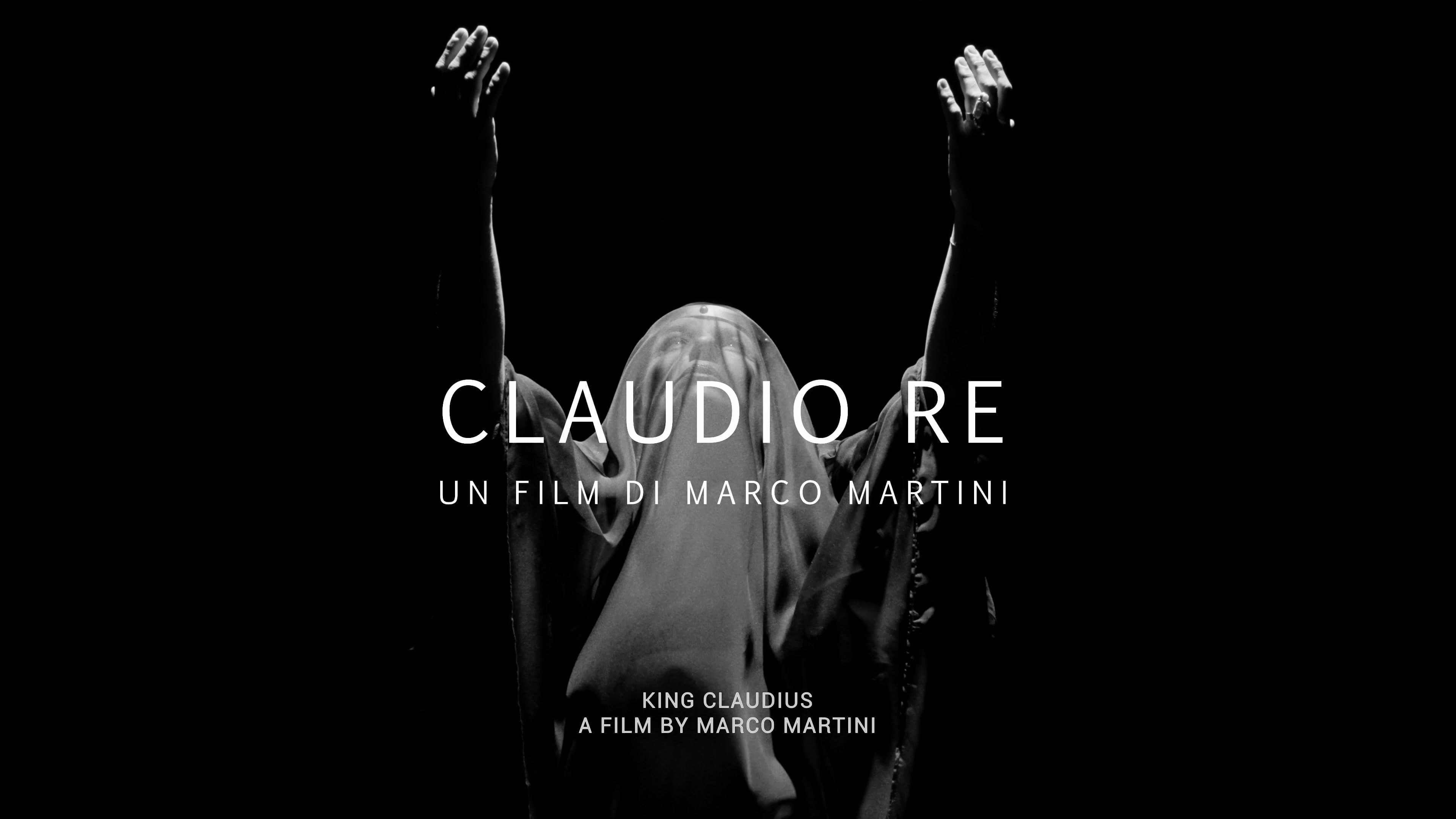
Claudio re is inspired by Hamlet. Claudio murders his own brother to take the crown and the queen, then rules under a surface of stability while the crime keeps echoing through the court. His guilt is real, but his repentance is not: he refuses the price of redemption because he will not give up what he stole. That split turns into paranoia, a cold logic of power: if he rose through blood, he can be taken by blood. The opening titles introduce the film’s core idea, the “storm”: not weather, but the irreversible disturbance Claudio has unleashed, moral, political, and psychological. The score’s job here is to make the world feel cracked from the first frame, and to establish the storm theme as consequence advancing, not as decorative mood.
- A: Orchestra-only. Too period, lacked psychological edge.
- B: Modern orchestra + synth pressure with bowed-glass resonance, then storm theme introduced as a slow advance.
- C: Heavier synth dominance. Felt less cinematic and reduced the tragic weight.
Hybrid modern orchestra and synth. The bowed-glass resonant colour is used as a signature hit only when the title appears, a brief, cutting vibration that reads as a crack in the world. Underneath, tension is held back until a short crescendo in strings and brass builds pressure, then the storm theme breaks in suddenly, like control snapping into consequence. The reference behaviour from Giacchino’s The Batman is used as a model for weight and clarity (low-register authority, simple thematic identity), but the impact here is defined by contrast: restraint first, then a sharp thematic eruption. The storm is not weather. It is Claudio’s irreversible disturbance made audible.
- Delivery format: WAV (linear PCM)
- Specs: 48 kHz, 24-bit
- Sync: aligned to final picture
My Sin is Rotten, The Crown Trap (Dialogue)
Claudio re · Dialogue · 01:27
 01:27
01:27
My Sin is Rotten, The Crown Trap (Dialogue)
Claudio re · Dialogue · 01:27
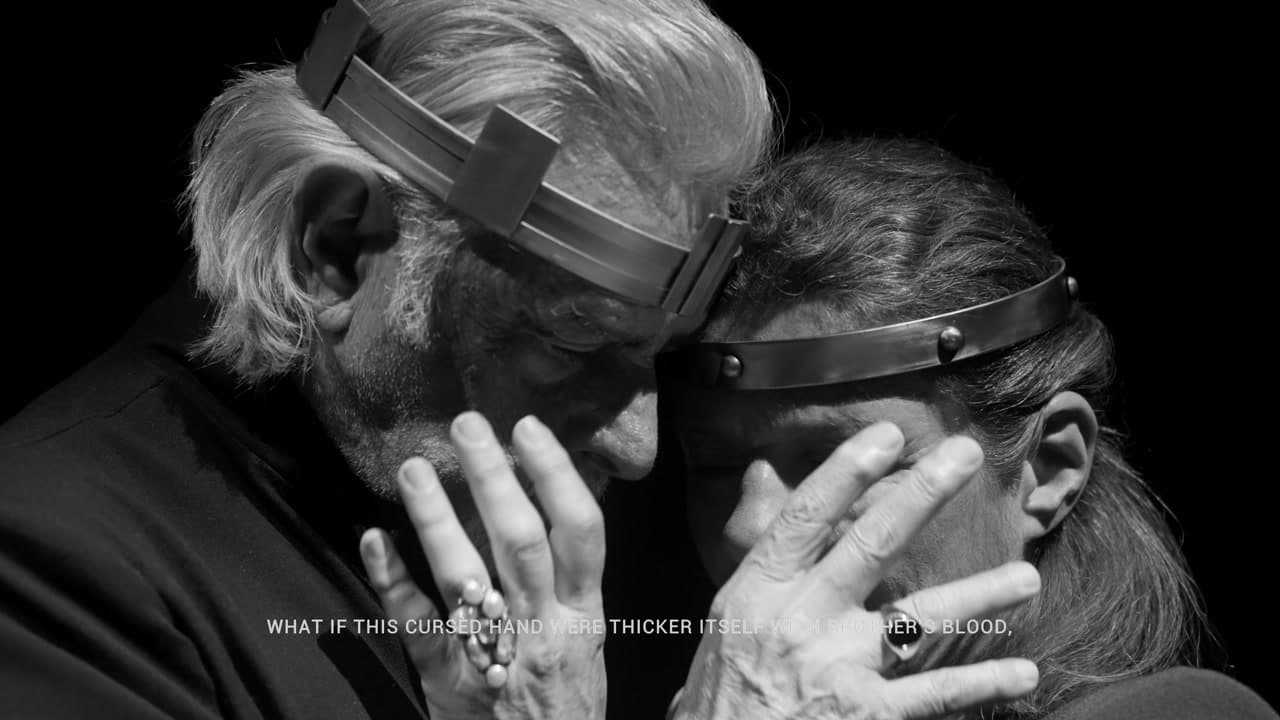
Claudio re is inspired by Hamlet. Claudio murders his own brother to take the crown and the queen, then rules under a surface of stability while the crime keeps echoing through the court. His guilt is real, but he refuses the price of repentance because he will not give up what he stole. In this monologue he names the sin as rotten and admits it is the oldest curse, the murder of a brother, then exposes the trap: forgiveness cannot ‘go through’ while he remains in possession of the fruits of the murder, the crown, ambition, and the queen. The cue mirrors that contradiction: a veneer of nobility struggling to stand over something fundamentally corrupt.
- A: Only synth ambience. Too flat, lacked character identity.
- B: Piano motif + dark ambient contamination, then D minor theme reveal with historical colour and rotten brass tail.
- C: More orchestral emotion. Felt sympathetic and reduced the rot.
The harmonic language is built around Claudio’s piano motif, kept exposed and intimate, then surrounded by dark ambient synth layers as if the camera is entering his sick mind and distorted emotional space. The piano carries the ‘human’ confession, while the synth bed acts like an internal fog that never clears. To underline the rot, the harmony is deliberately contaminated: non-chord tones, chromatic neighbours and foreign notes sit against the implied chordal centre, creating a controlled discomfort that reads as thought decay rather than jump-scare dissonance. These tensions must stay small and persistent, never turning into a dramatic gesture, so the audience feels the stench as something embedded in him. Orchestral elements appear sparingly as shadows, adding weight without stealing speech. The cue ends at 01:27 without a redemptive resolution, leaving Claudio suspended between confession and refusal.
- Delivery format: WAV (linear PCM)
- Specs: 48 kHz, 24-bit
- Sync: aligned to final picture
My Crown, My Ambition, My Queen. The Crown Trap (Dialogue)
Claudio re · Dialogue · 01:27
 01:27
01:27
My Crown, My Ambition, My Queen. The Crown Trap (Dialogue)
Claudio re · Dialogue · 01:27
Claudio re is inspired by Hamlet. Claudio murders his own brother to take the crown and the queen, then rules under a surface of stability while the crime keeps echoing through the court. His guilt is real, but he refuses the price of repentance because he will not give up what he stole. In this monologue he names the sin as rotten and admits it is the oldest curse, the murder of a brother, then exposes the trap: forgiveness cannot ‘go through’ while he remains in possession of the fruits of the murder, the crown, ambition, and the queen. The cue mirrors that contradiction: a veneer of nobility struggling to stand over something fundamentally corrupt.
- A: Only synth ambience. Too flat, lacked character identity.
- B: Piano motif + dark ambient contamination, then D minor theme reveal with historical colour and rotten brass tail.
- C: More orchestral emotion. Felt sympathetic and reduced the rot.
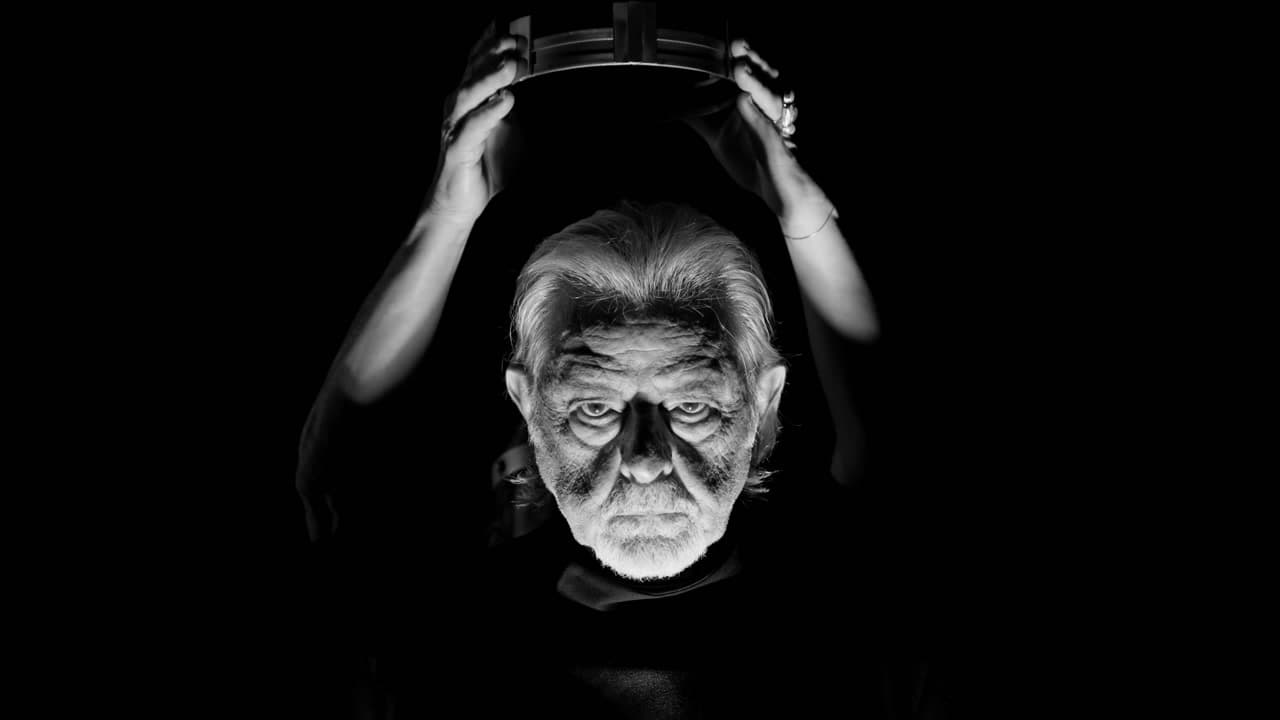
The harmonic language is built around Claudio’s piano motif, kept exposed and intimate, then surrounded by dark ambient synth layers as if we are entering his sick mind and distorted emotional space. Non-chord tones and foreign notes contaminate the implied centre, creating a controlled, persistent discomfort that reads as moral rot rather than theatrical dissonance. On the ‘Light! Light!’ section the cue reveals Claudio’s theme in full, in D minor. It carries a dramatic, almost ‘noble’ contour, but the nobility is a veneer: trombones stain the tail of phrases with a rotten aftertaste, and cadences refuse clean closure. Before “My queen?” the line is entrusted to viola da gamba, and historical colours (monochord, hurdy gurdy) enter to evoke the antique weight of the tale without turning it into pastiche. On the words “my queen” the orchestration blooms: full orchestra joins, the ancient instruments remain present, and the synth bed deepens, creating an epic surge of self-justification. The cue then undercuts that grandeur: final chords are deliberately dissonant and the trombones bring the corruption to the surface on Claudio’s last words. It does not resolve as repentance. It hangs as consequence, designed to connect seamlessly into the following section where Claudio’s guilt turns into confrontation and he is killed.
- Delivery format: WAV (linear PCM)
- Specs: 48 kHz, 24-bit
- Sync: aligned to final picture
No Shuffling Up There, The Spectre Wins (Vision Fight)
Claudio re · Action
No Shuffling Up There, The Spectre Wins (Vision Fight)
Claudio re · Action
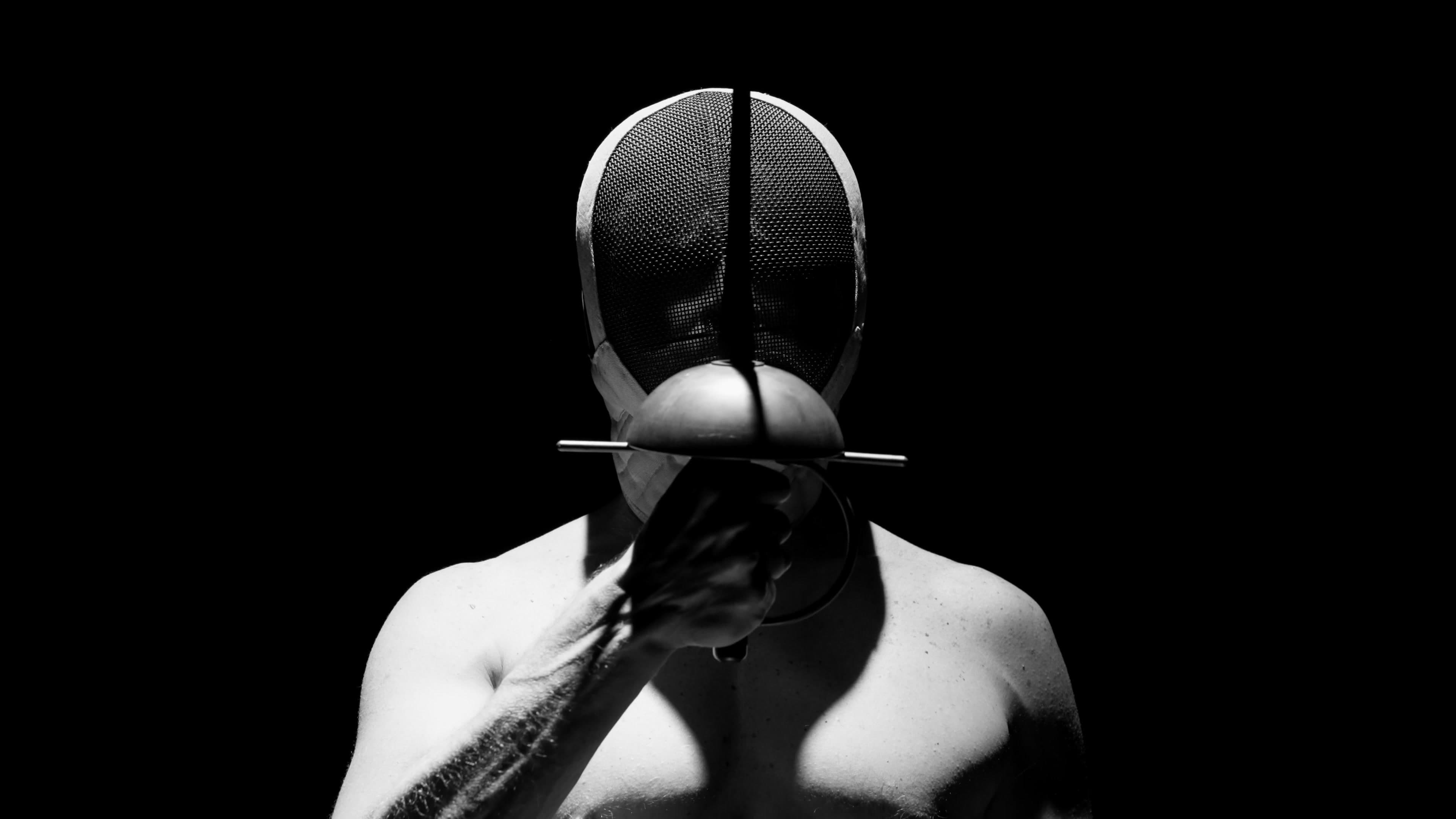
“But not up there? Ah no. Up there there is no trickery, eh? There, action exists in its true nature. And we ourselves are compelled to bear witness, as beggars, on the forehead of our guilt. Anyone. And then, what remains? [Music]” Claudio enters the imagined duel with the Spectre, is dominated and stabbed. The music starts when the words end.
- A: Dissonant braams only, no kick.
- B: Kick at a constant tempo, no slowdown and no stop.
- C: Braams plus benders plus a kick that accelerates, then slows to a stop on the stab.
Dissonant synth braams and unstable benders. Kick with tempo automation that mimics a heartbeat: it accelerates with anxiety and fear, then progressively slows until it stops when the Spectre stabs Claudio.
- Delivery: WAV, 48 kHz, 24-bit
- Stems: Braams, Benders, Kick, FX (labelled for post)
- Sync: kick stop aligned to the stab
What If A Man Can't Regret, The Prayer That Fails (Dialogue)
Claudio re · Dialogue · 01:03
 01:03
01:03
What If A Man Can't Regret, The Prayer That Fails (Dialogue)
Claudio re · Dialogue · 01:03
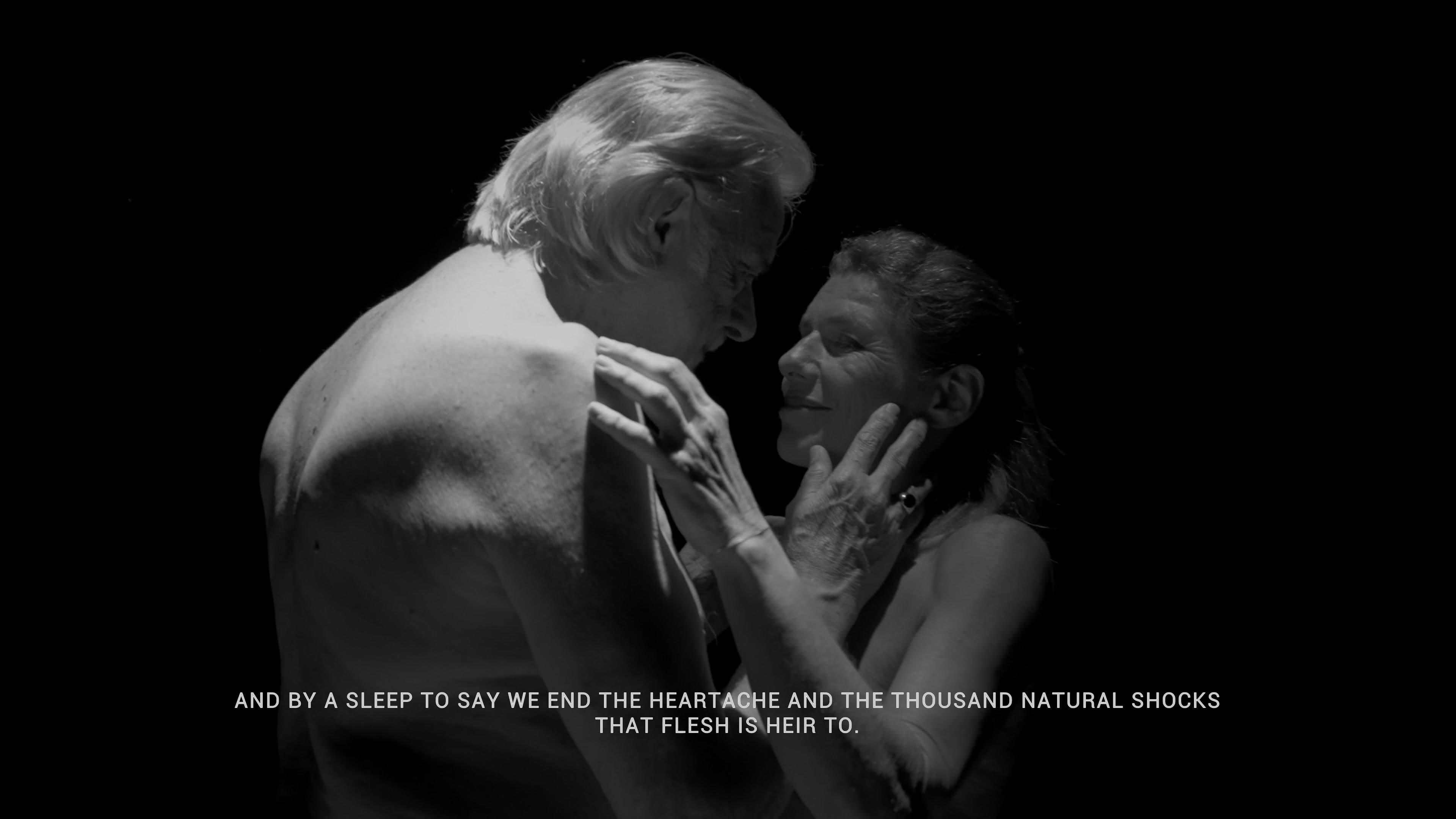
“...try what repentance can do. What can it not do? Yet what can it do if a man cannot repent? To die, to sleep, and heart attack. And with a sleep, to say we end the heartache and the thousand natural shocks of flesh. This is a consummation to be wished, devoutly to be wished. To die, to sleep—do we not dream ahead? bent close, stubborn, and you, heart of steel snares. Yes, but I orbit, like muscles in a child, just gone. Everything can end... ...repenting. [Music]” Claudio searches for a path to repentance but remains trapped by the real price of redemption. The scene works as a distorted echo of Hamlet’s central knots: conscience, guilt, the impossibility of action, and the desire for an end as escape.
- A: Distant drone + hit, no theme.
- B: String ostinato + ascending trombones, no theme.
- C: Drone + ostinato + trombones + theme entrance on sparse sampled violins + hit.
Distant drum drone as judgment. Repetitive ostinato violins. Ascending dissonant trombones. Theme entrance on sparse sampled violins with intertwined aching lines. Trombones and percussion hits as fate advancing.
- Delivery: WAV, 48 kHz, 24-bit
- Stems: Drone, Violins (ostinato), Trombones, Theme strings, Percussion hits (labelled for post)
- Mix: dialogue safe, low end controlled, hits kept short for editorial flexibility